I have been sidetracked from my museum adventures and I decided no time like the present to get back to it. The Rubin Museum of Art was the perfect place to start because I was feeling overwhelmed by the 24 hour news cycle, the Trump administration and the constant sense of dread of where we are heading as a country. My parents were in town from Florida so they joined me on my quest to find some zen. 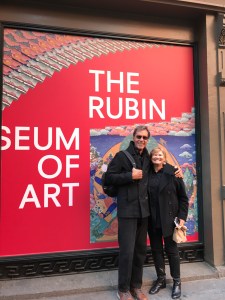
The Rubin is a beautiful museum. The spiral staircase looking up to the skylight makes you feel like you are working your way towards enlightenment or that could just be me being cheesy. It was the perfect way to spend a couple hours away from all the noise and news.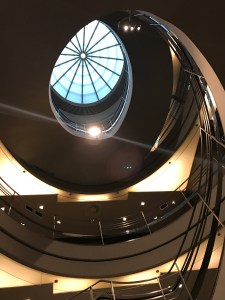
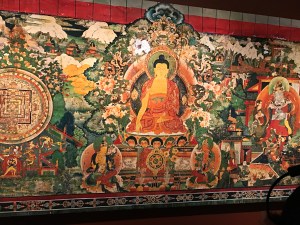
First I must confess that I am a buddha junkie. In case you think I am exaggerating. Here are just some of my buddhas. What can I say? I love them.


The term buddha meaning “awakened” or “enlightened” was first used to refer to Shakyamuni, who lived some time between the sixth and fourth centuries BCE in northern India and whose teachings became the foundation of Buddhism. Shakyamuni became the Buddha by achieving enlightenment which is a complete understanding of the true nature of reality which then freed him from the endless cycle of suffering that is birth, death and rebirth. Over time “buddha” came to refer to not only one person but all manifestations of enlightenment.
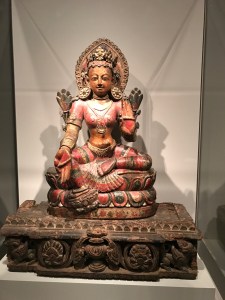
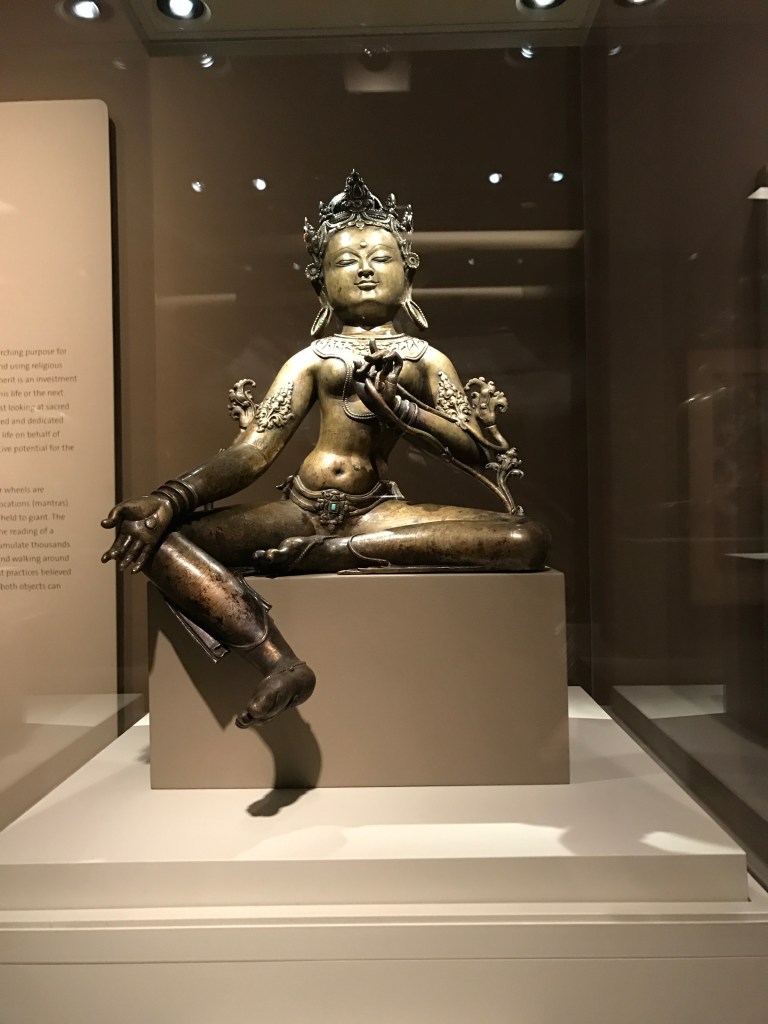 Green Tara is one of the most beloved deities in the Himalayan and Central Asian Buddhist traditions. She is known as the “saviouress.” It said that if you recite her mantra many times with devotion it will strengthen your connection to her and will solicit her protection and accumulate merit and increase positive karma. I don’t know about you but I always like to increase my good karma. I have included a link to You Tube where you can hear her mantra. It is very beautiful and soothing. https://youtu.be/lqcWl6VAB_M
This is the Pilgrimage Map of Mount Wutai. There are only 11 known surviving prints of this map.
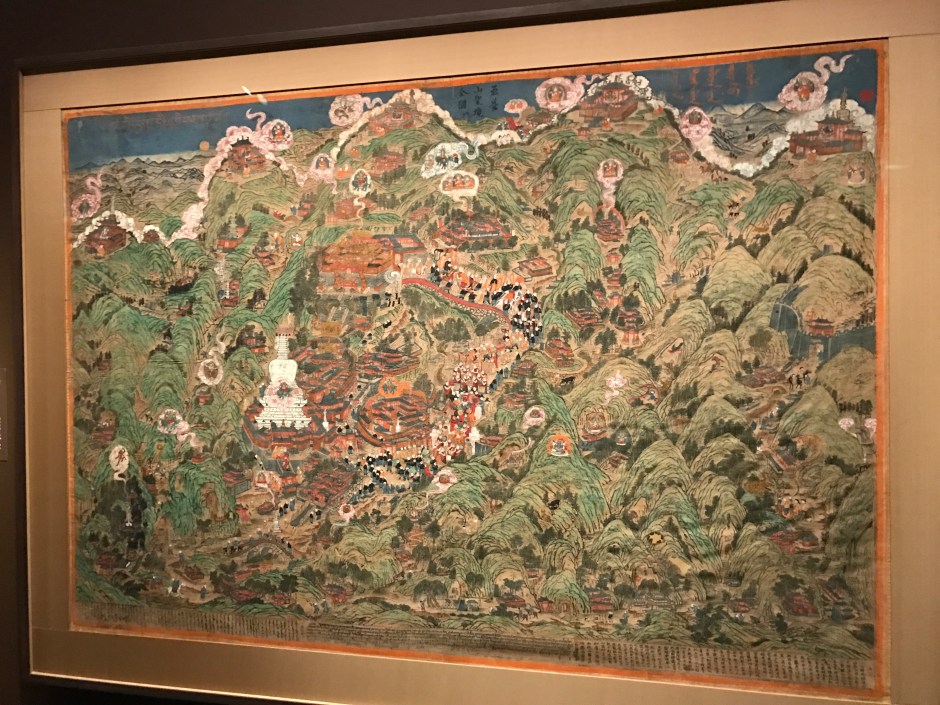 This is a panoramic view of the sacred Mount Wutai or Five-Terrace Mountain in Shanxi, China. This map was made on Mount Wubi in 1846 by a Mongolian monk at a local monastery, which was the main lodging for monks visiting the mountain. Pilgrims traveled to this sacred mountain to see divine visions in the form of miraculous light and cloud formations.
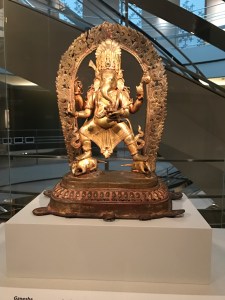
Ganesha, the elephant headed god with a single tusk is the remover of obstacles. Ganesha is worshipped together with the crescent moon on the fourth day of the early autumnal month. This suggests that he is the divine elephant of the autumnal night sky, and his single tusk is the crescent moon.
The art in the Rubin spans more than 1,500 years and ranges from a broad collection of traditional Himalayan art to complementary collections that include contemporary art as well as photography. The Museum also presents a variety of regular thematic series, from dialogues on mind science to screenings of world cinema classics to art-making workshops for families.
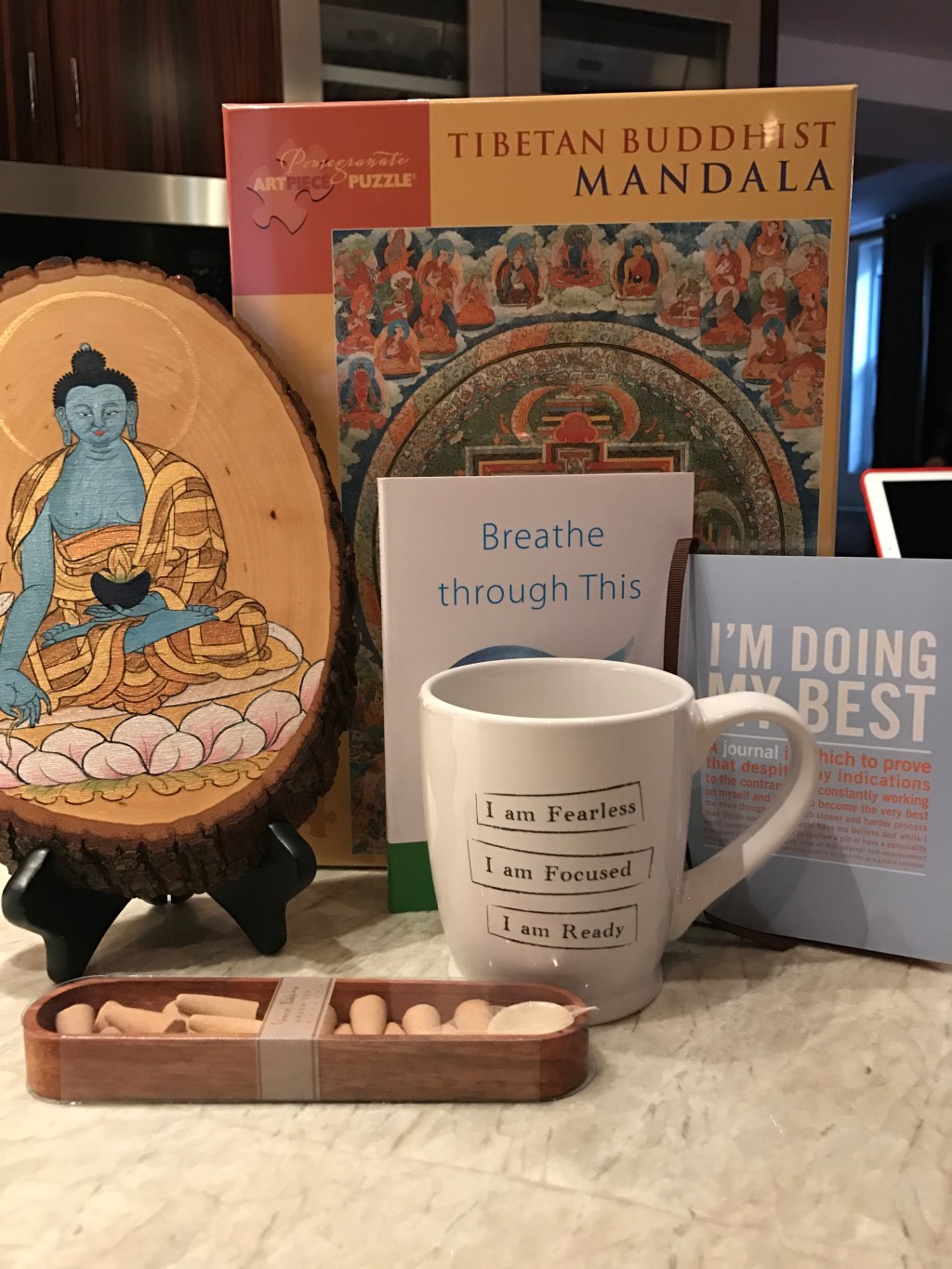
As you can see from my cover photo they have an amazing shop. They have beautiful artisanal goods from the Himalayas and across Asia—many unavailable elsewhere in the United States. I could have purchased more but I know that to find that zen feeling that I am looking for I have to look inside myself and maybe taking a break from the news and social media every once in awhile. I highly recommend a pilgrimage to The Rubin Museum of Art.
Stay tuned for my next adventure……
 nyc museum adventures